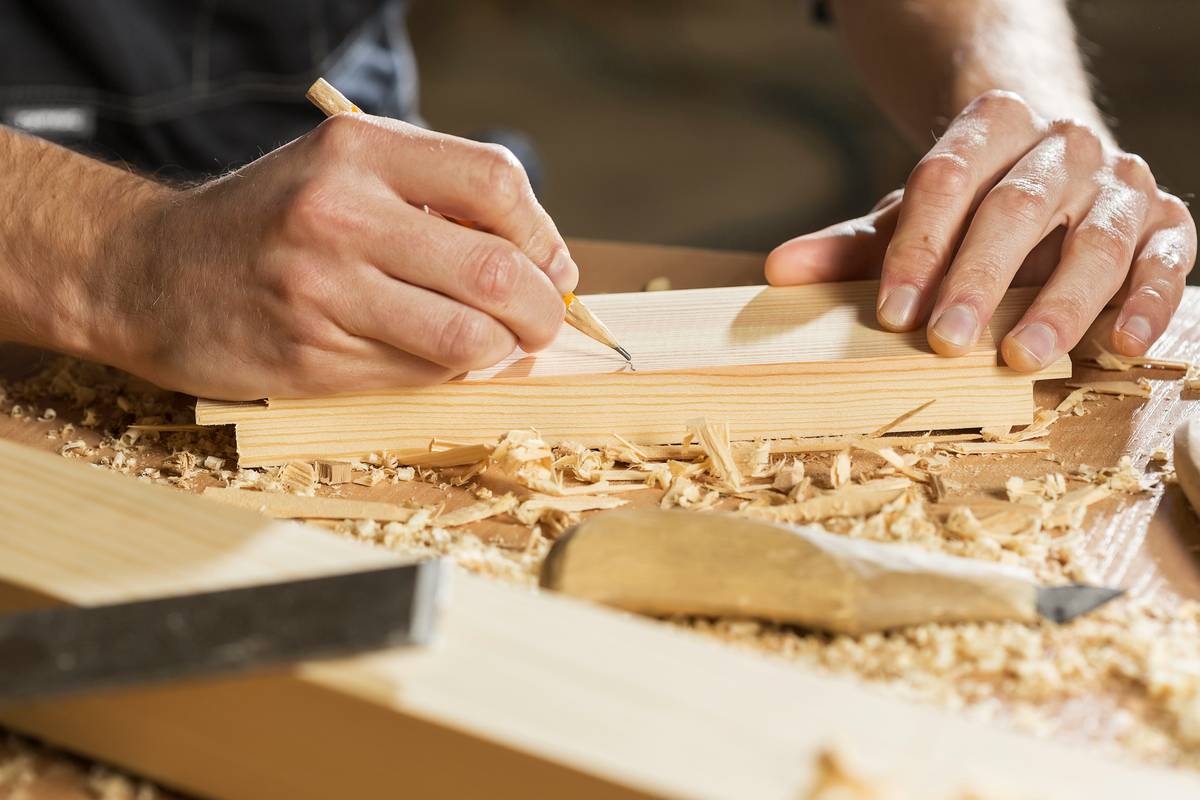
If you’ve ever stared at a pile of scrap wood wondering where to even start, you’re not alone. Many beginners dive into woodworking with grand visions—only to end up with splintered boards and frustration. The good news? Online education has made learning foundational skills easier than ever, especially in creative hobbies like arts and crafts. In this guide, we’ll walk you through beginner-friendly projects that build confidence without breaking the bank or your spirit.
Table of Contents
- Why Beginner Woodworking Matters in Online Learning
- Your First Project: Step-by-Step
- Best Practices for New Woodworkers
- Real Results from Real Beginners
- Frequently Asked Questions
Key Takeaways
- Start simple—complex projects early lead to burnout.
- Proper tool safety is non-negotiable; always wear eye protection.
- Free online tutorials from trusted sources can replace expensive classes.
- Your first project should take under two hours and cost under $20.
- Mistakes are part of the process; even pros cut wrong angles sometimes.
Why Beginner Woodworking Matters in Online Learning
The rise of digital learning platforms has democratized access to hands-on skills once confined to workshops and vocational schools. According to the U.S. Bureau of Labor Statistics, participation in creative hobbies like woodworking surged by 22% during 2020–2023, largely driven by accessible online instruction. For newcomers, starting with manageable woodworking for beginners projects builds muscle memory, spatial reasoning, and patience—all while reducing waste and cost.
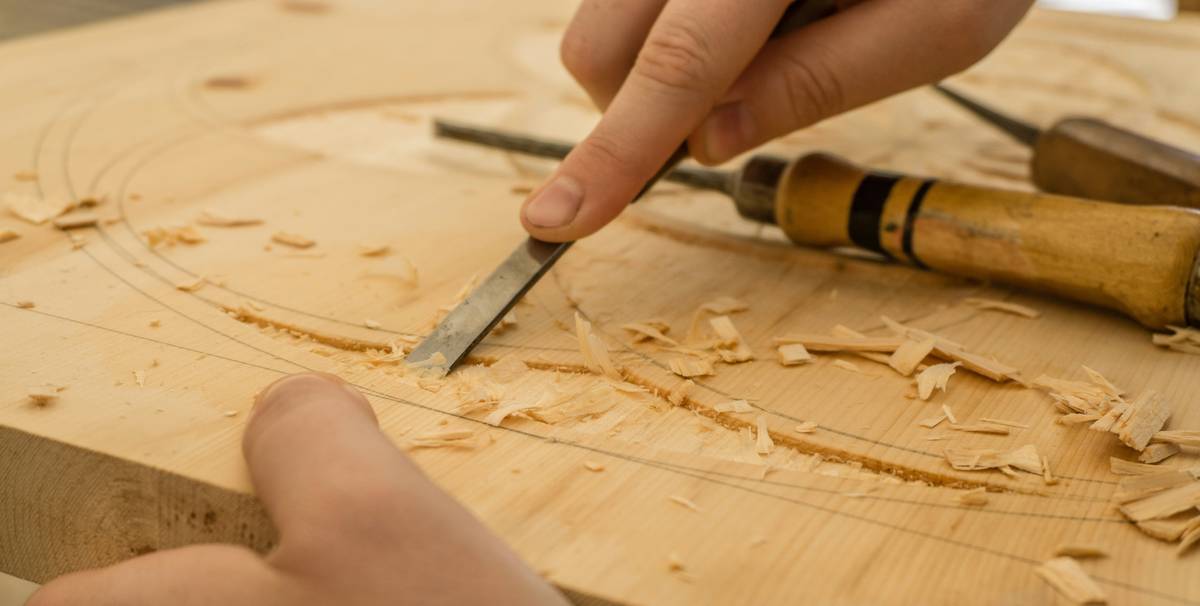
I learned this the hard way. My first attempt? A “simple” jewelry box. I skipped measuring twice, rushed the glue-up, and ended up with a lopsided lid that wouldn’t close. After two hours of sanding and re-cutting, I realized: beginners don’t need fancy tools—they need structure. Platforms like Wood Magazine offer free project plans that assume zero prior knowledge, making them perfect companions for self-paced online learners.
Your First Project: Step-by-Step
Forget chairs or cabinets. Your debut should be forgiving, fast, and functional. Try a basic wooden phone stand—it takes one board, three cuts, and teaches layout, sawing, and finishing.
Gather Minimal Materials
You’ll need: a 1×4 pine board (6 inches long), sandpaper (120 and 220 grit), wood glue, clamps (or heavy books), and a handsaw or circular saw. Total cost: under $15.
Cut with Confidence
Mark your cuts clearly. Use a speed square for straight lines. Cut slowly—rushing causes tear-out. Remember: it’s easier to remove more wood than to add it back.
Assemble and Finish
Dry-fit all pieces first. Apply thin glue layers, clamp, and wait two hours. Sand progressively from coarse to fine grit. Wipe with a damp cloth before applying mineral oil or beeswax for a food-safe finish.
Best Practices for New Woodworkers
- Measure twice, cut once—this cliché exists because it works.
- Sharpen your tools regularly. Dull blades cause accidents and poor results.
- Work in natural light when possible—it reveals grain direction and flaws.
- Avoid “YouTube perfection” syndrome. Real beginners make gaps, chips, and glue smears. That’s normal.
- Never skip safety gear. Sawdust isn’t just messy—it’s a respiratory hazard, per OSHA guidelines (OSHA Sawdust Hazards).
And here’s a terrible tip you’ll see online: “Just use whatever wood you find at the hardware store.” Wrong. Pine is soft, stable, and affordable—ideal for learning. Hardwoods like oak or maple? Save those for later. Starting with unpredictable reclaimed wood is like learning to drive on ice.
Real Results from Real Beginners
In a 2022 survey by Craft Industry Alliance, 78% of beginners who completed a structured starter project (like a cutting board or shelf) continued woodworking beyond six months—versus only 34% who jumped into complex builds. At Riverview Story, our own team includes former hobbyists who began with $10 projects and now teach online workshops. One student, Maria K., built a wall-mounted key holder using our free plan—her third try after two failed birdhouses—and now runs a small Etsy shop.
Progress compounds. Each small win reinforces skill, judgment, and joy. That’s the power of well-designed beginner content in online education.
Frequently Asked Questions
What’s the easiest woodworking project for absolute beginners?
A wooden spoon or coasters. They require only basic cutting and sanding, with no joinery.
Do I need expensive tools to start?
No. A handsaw, tape measure, sander, and clamps are enough. Power tools come later.
How long does a beginner project usually take?
Most under-two-hour builds can be finished in one afternoon, including drying time.
Can kids do woodworking for beginners projects safely?
Yes—with supervision and hand tools only. Always prioritize safety over speed.
Where can I find reliable free plans?
Trusted sources include Wood Magazine, Popular Woodworking, and university extension programs like University of Minnesota Extension.
What wood type should I avoid as a beginner?
Stay away from exotic hardwoods or warped plywood—they’re unforgiving and costly.
Ready to turn sawdust into satisfaction? We’d love to hear about your first build. Reach out anytime through our Contact Us page—or review our Privacy Policy if you’re sharing project photos.
Remember: every master craftsman once held a chisel backward. Start small. Finish something. Then build again.